Jershtech DC Motors Jershtech DC Motors

What Is the Best High Performance DC Motor in 2026?

Time:2026-09-28 Author:Amelia
0%

Choosing the best High Performance DC Motor in 2026 is not a simple contest of speed or torque. The right choice depends on the load, operating cycle, available space, control system, and cooling method. A motor turning a conveyor all day faces different demands from one driving a compact pump through frequent starts. Small details matter.

The International Energy Agency’s Energy-Efficiency Policy Opportunities for Electric Motor-Driven Systems estimates that motor-driven systems use about 53% of global electricity. The report dates to 2011, so it is useful context, not a 2026 market forecast. Still, it highlights why efficiency deserves careful attention. For a DC motor, buyers should compare efficiency across the expected speed range, continuous and peak torque, thermal limits, and service requirements. Brushless designs can reduce brush maintenance, while brushed motors may offer simpler controls and lower initial complexity. Neither is automatically best.

This guide compares those trade-offs using manufacturer specifications and practical selection criteria. It also considers controller compatibility, noise, duty cycle, and the conditions behind published performance figures. A headline efficiency number can mislead if it excludes the controller or reflects only one operating point. That is an imperfect part of motor shopping. The aim is a clear, evidence-based shortlist—not a universal winner.
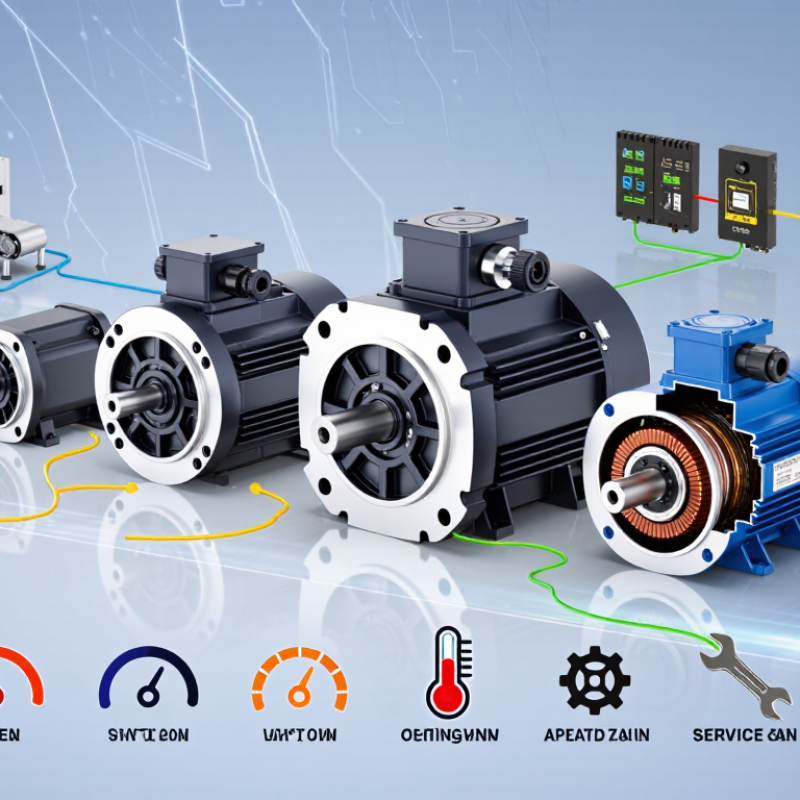
What Is the Best High Performance DC Motor in 2026?

How High-Performance DC Motors Work

What Is the Best High Performance DC Motor in 2026?
How High-Performance DC Motors Work

A DC motor turns electrical energy into rotation through magnetic force. Current flowing through armature conductors interacts with the stator’s magnetic field, producing torque. In brushed motors, a commutator switches current as the rotor turns. Brushless DC motors use an electronic controller to switch winding current in sequence. The principle is simple; the details matter.

For many DC motors, more current produces more torque, while back EMF rises with speed and resists the supply voltage. A controller adjusts voltage or pulse width to manage speed and current. Copper resistance creates heat, so winding design, cooling, and insulation shape continuous performance. The U.S. Department of Energy’s 2014 report, Improving Motor and Drive System Performance, estimates motor-driven systems use about 68% of U.S. manufacturing electricity. That matters.

A high-performance choice depends on the load, speed range, duty cycle, and available cooling—not a headline power rating alone. Check torque across the operating range, temperature rise, efficiency, and controller compatibility. A motor may deliver impressive peak torque briefly, then overheat under sustained load. One caveat: published figures can use different test conditions. Compare datasheets carefully, and treat unexplained ratings with skepticism.

Key Metrics for Comparing DC Motor Performance

What Is the Best High Performance DC Motor in 2026?

Key Metrics for Comparing DC Motor Performance

A high-performance DC motor is not simply the one with the highest rated speed. Compare continuous and peak torque, efficiency across the actual operating range, thermal limits, speed regulation, and power density. A motor that delivers strong startup torque may still overheat under sustained load. Check the duty cycle and cooling method, too. These details matter in real equipment, where repeated starts and tight enclosures can change performance.

Efficiency deserves careful attention. The International Energy Agency’s 2011 report, Energy-Efficiency Policy Opportunities for Electric Motor-Driven Systems, estimated that motor-driven systems use about 45% of global electricity. That figure covers many motor types, not DC motors alone, but it shows why losses matter. For a fair comparison, measure input and shaft output under the same load and speed. IEC 60034-2-1 describes standardized methods for determining motor losses and efficiency. A single peak-efficiency number can mislead. I would check the full performance curve before choosing.

Tips: Match rated torque to the real load, then leave thermal headroom for repeated starts. Record winding temperature after a representative run. Small differences matter. Also verify whether the stated peak torque is available for seconds or minutes; datasheets do not always make that distinction easy to spot.

Brushed and Brushless DC Motor Designs

What Is the Best High Performance DC Motor in 2026?
Brushed and Brushless DC Motor Designs

The best high-performance DC motor depends on its workload, not a single headline speed. Brushed motors use carbon brushes to transfer current to a rotating commutator. Their straightforward controls and strong starting torque suit many compact tools, small pumps, and prototypes. Brush wear is a real maintenance point, especially when a motor runs for long shifts. That matters. Heat, dust, and frequent starts can shorten service intervals.

Brushless motors replace mechanical commutation with electronic control. They often offer higher efficiency, quieter operation, and less routine wear, but need a compatible controller. Some designs also require position sensors; sensorless versions may behave less smoothly at very low speeds. Not always. When comparing options, check continuous torque, peak current, cooling, and the duty cycle—not just maximum RPM. A motor that spins quickly on a test bench may overheat inside a tightly packed enclosure. I find this easy to overlook: the controller, wiring, and load shape affect real performance as much as the motor itself. For a careful choice, compare temperature and torque under the actual operating conditions.

How to Match a DC Motor to Its Application

A high-performance DC motor is not simply the one with the highest speed or rated power. In 2026, the right choice still depends on the work it must perform. Start by measuring the load, desired shaft speed, and available supply voltage. A small conveyor, for example, may need steady torque at low speed more than impressive peak RPM. Peak torque matters during startup, when a loaded belt resists movement. Details matter.

Check the motor’s continuous torque and duty rating against real operating conditions. A motor that handles a brief peak may overheat during repeated starts or long shifts. Consider the controller, too: its current limits and speed-control method must suit the motor and application. If the equipment needs accurate positioning, encoder feedback may be useful; a simple fan may not need it. Keep the installation in mind. Dust, vibration, restricted airflow, and ambient heat can all change performance.

Compare the motor’s torque-speed curve with the application’s actual operating range, not just its headline rating. Leave room for changing loads and avoid running near the thermal limit without a clear reason. A calculation is a useful start, but it can miss friction, alignment problems, or a heavier-than-expected load. Test the motor with the intended controller and a representative load, then check temperature and current over a full operating cycle. Measure under load.

Top High-Performance DC Motor Options in 2026

Top High-Performance DC Motor Options in 2026

Choosing a high-performance DC motor starts with the job it must do. Brushless DC motors suit applications needing efficient, steady operation and reduced brush maintenance. Brushed motors can be simpler to control and may fit cost-sensitive projects. Coreless designs offer low rotor inertia, useful for compact mechanisms that need quick starts and stops. There is no universal winner.

Tips: Compare rated voltage, continuous torque, speed, and heat limits. Check the motor’s performance curve, not just its peak rating. Leave room for cooling. A motor that looks powerful on paper may overheat in a tight enclosure.

For precision motion, consider a DC motor paired with an encoder and suitable controller. For frequent speed changes, review response time and load behavior. In a small prototype, listen for vibration and measure temperature after repeated cycles; real operating conditions can expose weaknesses that a brief bench test misses. I would also weigh serviceability and driver compatibility. These details are easy to overlook, and published specifications do not always predict performance in your exact setup. Choose based on measured needs, not the highest number on the datasheet.

Brushless DC motors often offer higher peak efficiency, while the best choice depends on the required speed, torque, duty cycle, size, and control system. These ranges are representative, not guaranteed specifications; efficiency varies by motor design and operating point.

FAQS

Is the fastest DC motor always the best choice?

No. Match speed and torque to the real load. A small conveyor may need steady low-speed torque more than high RPM.

Which motor ratings should I compare?

Check continuous torque, peak torque, rated speed, voltage, efficiency, and thermal limits. Peak torque may last only seconds.

Why does continuous torque matter?

It indicates what the motor can sustain during normal operation. Repeated starts can add heat. Check temperature after a full work cycle.

How can I compare motor efficiency fairly?

Measure electrical input and shaft output at the same speed and load. One peak-efficiency figure can mislead.

Should I choose a brushed, brushless, or coreless motor?

Brushless designs can reduce brush maintenance. Brushed motors may be simpler to control. Coreless motors suit compact mechanisms needing quick starts and stops.

When is an encoder useful?

It can help when equipment needs accurate positioning. A simple fan may not need one. Keep the setup practical.

What can cause a motor to overheat?

Long operating periods, repeated starts, restricted airflow, and high ambient heat can raise temperature. Tight enclosures deserve extra attention.

How should I test a motor before choosing it?

Use the intended controller and a representative load. Measure current and temperature across a full operating cycle. Brief bench tests miss things.

Conclusion

Choosing the best High Performance DC Motor in 2026 depends on how well its design and specifications match the intended application. These motors convert electrical energy into controlled rotation, while factors such as speed, torque, efficiency, power density, operating temperature, and lifespan help distinguish suitable options. Comparing these metrics under realistic operating conditions provides a clearer picture than relying on a single headline specification.

Brushed motors offer a straightforward design and simple control, while brushless motors can provide greater efficiency and reduced maintenance needs. The right choice also depends on load demands, available space, power supply, control requirements, and expected duty cycle. This overview explains how to evaluate leading motor options in 2026 and match them to practical needs, helping readers make an informed selection without assuming that one design is best for every use.

Amelia

Amelia

Amelia is a seasoned marketing professional with a wealth of expertise in our company’s core offerings. With an unwavering passion for driving growth and innovation, she plays a pivotal role in shaping our marketing strategies and enhancing brand visibility. A key aspect of her responsibilities......