Choosing the right High Torque Gear Motor can be a daunting task. With the global market for gear motors projected to reach $29.6 billion by 2026, the options abound. Typically, a high torque gear motor is essential for applications requiring high efficiency and reliability. For instance, sectors like manufacturing and robotics greatly depend on these motors.
Understanding torque specifications is crucial. A high torque gear motor can deliver significant power in a compact size. According to reports, the demand for high torque solutions is expected to grow by 4.3% annually. However, not all motors meet these needs effectively. Buyers must consider specific load requirements and operational conditions to ensure optimal performance.
Consulting industry experts and analyzing technical data sheets can enhance decision-making. It's important to reflect on the specific application before making a choice. Each decision carries weight, influencing not just performance, but also investment costs. Thus, a careful evaluation of options is vital. Making an informed choice can lead to better outcomes in efficiency and durability.
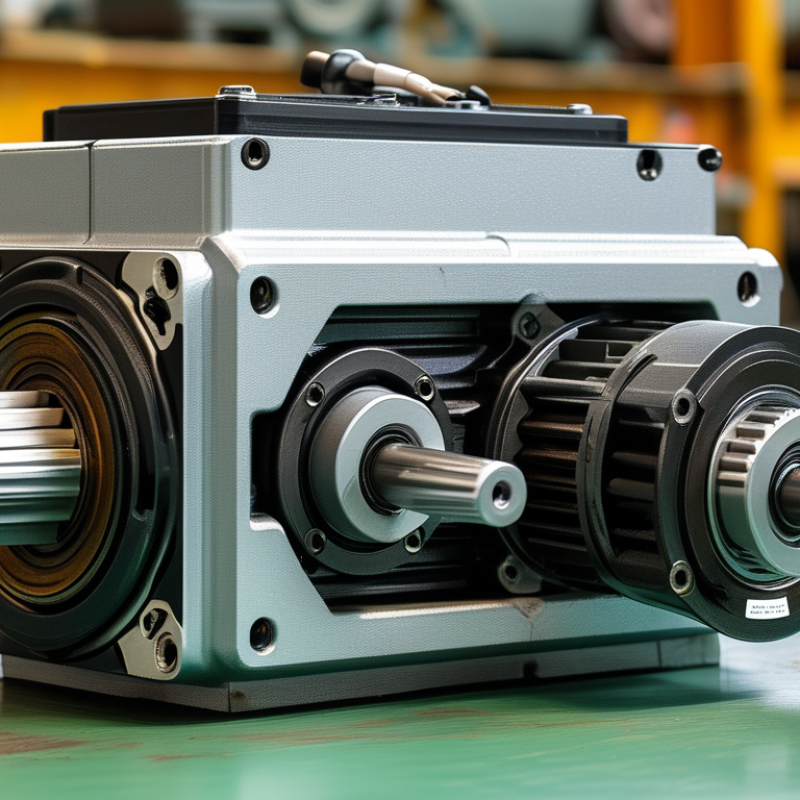
Understanding High Torque Gear Motors and Their Applications
Understanding high torque gear motors is essential for various applications. These motors convert electrical energy into mechanical energy efficiently. They are widely used in robotics, conveyor systems, and industrial machinery. According to a report by Mordor Intelligence, the global market for gear motors is projected to grow at a CAGR of over 6.5% from 2021 to 2026. This uptick reflects the increasing demand for automation in industries.
In robotics, high torque gear motors help in achieving precise movements. They enable robotic arms to lift heavy loads. In conveyor systems, they ensure smooth operation under varying weights. The need for reliable torque output cannot be overstated. However, users often overlook the importance of matching motor specifications with application requirements. Selecting an unsuitable motor could lead to inefficiencies or even equipment failure.
Understanding the gearing mechanism is crucial. Gear ratios dictate the torque and speed. A high gear ratio increases torque but decreases speed. Conversely, a low gear ratio does the opposite. A study by ResearchAndMarkets mentions that over 40% of motor failures stem from mismatched gear ratios. When selecting a gear motor, one must weigh torque needs against speed requirements carefully.
Factors to Consider When Selecting a High Torque Gear Motor
When selecting a high torque gear motor, it's important to consider several key factors. The first factor is the application requirements. Understanding the load capacity and speed needed for your specific project can guide your choice. For instance, if your application requires starting under load, you may need a motor designed for high starting torque.
Another consideration is the motor's efficiency. Efficiency impacts both performance and energy consumption. A higher efficiency rating can lead to better productivity and cost savings over time. However, be mindful that higher efficiency often comes with a higher upfront cost. Balancing long-term savings with initial investment is essential.
You should also evaluate space constraints. High torque gear motors come in various sizes. Ensure that the motor fits your available space without compromising performance. Lastly, consider the environment where the motor will be used. Factors like temperature and humidity can affect motor performance. An inappropriate choice can lead to mechanical failures and costly repairs. It’s vital to assess these aspects thoroughly to make an informed decision.
Torque Ratings of Different Gear Motors
Evaluating Motor Specifications for Specific Needs
Choosing the right high torque gear motor is essential for various applications. Understanding motor specifications is critical. Torque, speed, and efficiency directly affect performance. A recent industry report indicates that torque ratings are vital for applications needing heavy lifting. For example, a motor with 200 Nm of torque can lift significant weights.
Speed is another key factor. The required RPM may vary based on specific tasks. Many applications benefit from variable speed control. Motors with adjustable speeds offer better flexibility. According to motor experts, gear ratios also play a crucial role in determining the torque output. Ratios like 10:1 can significantly amplify torque. This feature is important in scenarios requiring precise control.
Finally, efficiency should not be overlooked. The relationship between input power and output power is critical. A motor that wastes energy can increase operational costs. Reports suggest that high-efficiency motors can save up to 20% in energy consumption. Paying attention to these specifications can lead to better performance and lower costs in the long run. Selecting a motor is not just about picking the highest torque. Understanding these variables ensures a more informed decision.
Comparing Different Types of High Torque Gear Motors
When exploring high torque gear motors, it’s crucial to understand the different types available. Gear motors generally fall into categories like DC gear motors, AC gear motors, and stepper motors. Each type is designed for specific applications. According to a recent industry report, the global gear motor market is projected to reach $28 billion by 2025, reflecting growing demand in manufacturing and automation sectors.
DC gear motors are favored for their simplicity and efficiency. They can provide high torque at low speeds, making them suitable for various applications like robotics and conveyor systems. Meanwhile, AC gear motors excel in steady applications, often used in industrial settings. Stepper motors, on the other hand, are ideal for precise control. They often see use in 3D printers and CNC machines due to their accuracy.
Tip: Consider the specific requirements of your project. Calculate the necessary torque and speed before choosing a motor. This ensures optimal performance and prevents potential setbacks.
Efficiency and reliability are key factors when comparing these motors. Look into performance specifications over time, as some motors may underperform under constant loads. Many users report that they had to adjust their choices after trialing certain motors. Testing various options can lead to better decisions tailored to your needs.
Tip: Don't overlook potential maintenance needs. High-torque gear motors can require regular inspections to maintain performance, so think ahead.
Maintenance and Care for High Torque Gear Motors
Maintaining a high torque gear motor is essential for optimal performance. Regular inspection is necessary to prevent issues before they escalate. Key areas to monitor include gears, bearings, and lubrication. According to industry reports, about 20% of motor failures are due to poor maintenance practices. Keeping a detailed maintenance log can help in identifying recurring problems.
Cleaning is equally vital. Dust and debris can lead to overheating and reduced efficiency. Reports indicate that up to 30% of gear motor inefficiencies stem from insufficient cleaning routines. It's advisable to schedule periodic cleaning sessions, particularly in dusty environments.
Lubrication plays a crucial role in the longevity of high torque gear motors. Various lubricants are available, and selecting the right type is crucial. Data shows that improper lubrication can increase wear by 50%. Regularly checking lubricant levels can help identify leaks or contamination early. Ignoring these checks may lead to unexpected downtime and costly repairs.
How to Choose the Best High Torque Gear Motor for Your Needs? - Maintenance and Care for High Torque Gear Motors
| Feature |
Recommendation |
Maintenance Tip |
| Torque Rating |
Choose a motor with a higher torque rating that exceeds your application needs. |
Regularly check for any signs of overheating. |
| Gear Ratio |
Select a gear ratio that suits the speed and torque requirements of your application. |
Ensure the gears are lubricated properly to minimize wear. |
| Environment |
Consider the operating environment (temperature, humidity, dust) when selecting your motor. |
Use protective covers in harsh environments to prevent damage. |
| Power Supply |
Ensure compatibility with the power supply voltage and type. |
Regularly check wiring and connections for signs of wear or corrosion. |
Conclusion
Choosing the right High Torque Gear Motor is crucial for achieving optimal performance in various applications. Understanding the different types of high torque gear motors and their specific uses is the first step in making an informed decision. Factors such as load requirements, speed, and efficiency must be taken into account when selecting a motor. It's also essential to evaluate motor specifications tailored to your individual needs, ensuring compatibility with your project goals.
Additionally, comparing various high torque gear motors can help identify the best fit for your application. Regular maintenance and care are vital for the longevity and efficiency of high torque gear motors. By following these guidelines, you can select a motor that not only meets your immediate requirements but also ensures reliable performance over time.
 Jershtech DC Motors
