Jershtech DC Motors Jershtech DC Motors

How to Choose a Rechargeable Motor for Global Sourcing

Time:2026-10-18 Author:Sienna
0%

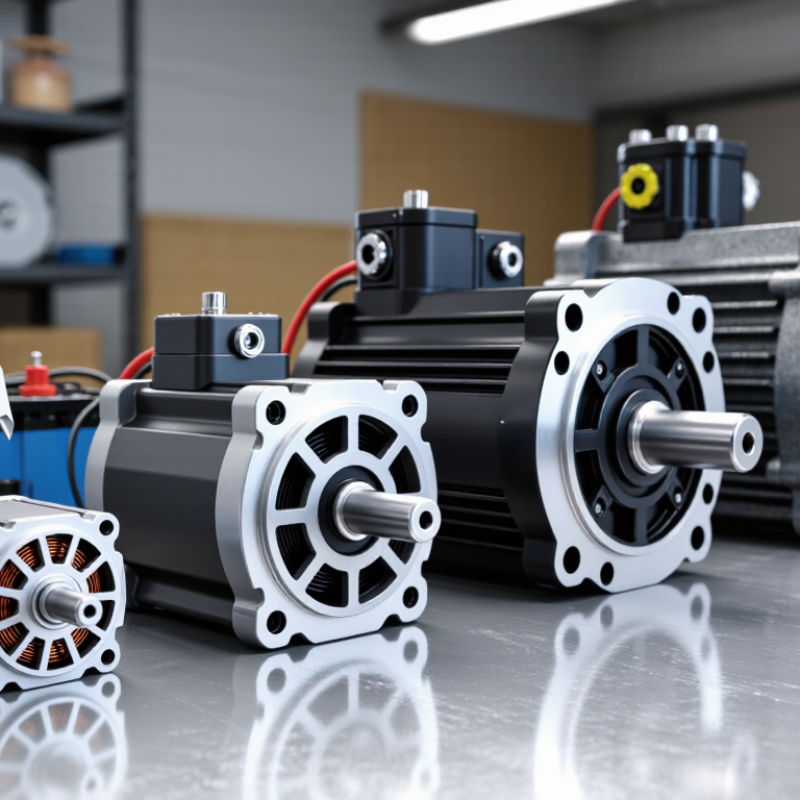
Choosing a Rechargeable Motor for global sourcing is not simply a matter of comparing price and rated power. The right decision connects motor performance, battery compatibility, supplier capability, and long-term service. A compact motor may look efficient on a quotation sheet, yet overheat inside a sealed device. A larger model may deliver stronger torque, but increase battery drain and shipping costs.

Dr. John B. Goodenough, a pioneer in rechargeable battery technology, said, “The battery is the key to making an electric car practical.” His point applies beyond vehicles. A Rechargeable Motor works as part of a complete energy system. Buyers should examine voltage range, torque curves, operating temperature, charging cycles, controller matching, noise levels, and expected service life. Request test data under real load, not only laboratory ratings. Ask for samples. Test them with the intended battery, gearbox, and controller.

Supplier audits also matter. Check winding materials, magnet quality, insulation methods, assembly records, and quality-control procedures. Confirm whether the manufacturer can maintain consistent output across production batches. Certifications help, but they do not replace physical testing. That part is often underestimated.

Global sourcing creates practical complications. Lead times change. Packaging can damage delicate shafts or connectors. Technical documents may contain unclear translations. A supplier with the lowest unit price can become expensive after failures, redesigns, and replacement shipments. I have seen buyers focus too heavily on specifications. The uncomfortable truth is that sourcing decisions remain partly uncertain. A careful evaluation reduces that uncertainty, but never removes it completely.
How to Choose a Rechargeable Motor for Global Sourcing

Understanding Rechargeable Motor Types and Operating Principles

How to Choose a Rechargeable Motor for Global Sourcing

Understanding Rechargeable Motor Types and Operating Principles

A rechargeable motor system does not store motion; its battery stores electrical energy. A controller then converts battery current into timed phase currents for the motor. This detail matters during sourcing. Motor voltage, controller limits, battery chemistry, and cooling must work together.

Brushed DC motors use mechanical brushes for commutation. They are simple and affordable, but brush wear limits service life. Brushless DC motors use electronic switching and permanent magnets. They offer strong starting torque and compact construction. Permanent-magnet synchronous motors provide smooth, efficient operation, especially under precise control. Induction motors avoid permanent magnets and tolerate heat well, but their inverter settings can be more demanding. Small mistake, big consequence.

The International Energy Agency reported more than 17 million electric cars were sold globally in 2024, representing over 20% of new car sales. This growth increases demand for repeatable motor testing and dependable battery integration. The U.S. Department of Energy also reports that motor-driven systems consume nearly half of industrial electricity, making efficiency a practical sourcing concern.

When comparing suppliers, request measured efficiency maps, torque-speed curves, thermal test results, and controller compatibility data. Check performance at low battery voltage, not only at laboratory voltage. Regenerative braking may improve energy use, but it can increase battery and controller stress.

A polished datasheet is helpful. It is not proof. Confirm samples under realistic loads, duty cycles, ambient temperatures, and noise limits before approving production.

Defining Power, Speed, Torque, and Runtime Requirements

How to Choose a Rechargeable Motor for Global Sourcing

Choosing a rechargeable motor starts with the load, not the advertised wattage. Measure the force required during startup, normal operation, and sudden resistance. A small conveyor may need moderate power but high starting torque. A handheld mechanism may prioritize speed and compact battery size. Record shaft speed in revolutions per minute and torque in newton-metres. These figures prevent costly mismatches during supplier comparisons.

Runtime depends on both motor efficiency and battery capacity. Estimate energy use in watt-hours by multiplying voltage by amp-hours. Then divide that figure by the motor’s average power demand. Real results will be lower. Heat, friction, controller losses, and repeated acceleration reduce runtime. A motor running for six hours in a quiet test may last only four hours in a dusty workshop. I have seen teams trust ideal calculations too quickly.

Tips: Test the motor under the heaviest realistic load. Check startup current separately from running current. Ask suppliers for measured torque curves, battery cycle data, and temperature results. Specify acceptable speed variation, charging time, and operating temperature. Leave safety margin for aging batteries. Do not oversize the motor without checking weight and heat; extra power can create poor balance and faster energy loss. Obtain samples before approving a large order, because written specifications sometimes hide assumptions.

Evaluating Battery Chemistry, Voltage, and Charging Performance

When I evaluate a rechargeable motor for global sourcing, I start with battery chemistry. Lithium-ion packs offer high energy density and compact size. Lithium iron phosphate cells usually provide stronger thermal stability and longer cycle life. Nickel-metal hydride can tolerate rough handling, but its weight may increase shipping and installation costs. Chemistry changes the motor’s operating temperature, service life, and charging requirements.

Voltage must match the motor controller, not just the motor label. A nominal 12-volt pack may reach a higher voltage when fully charged. That difference can affect starting torque, speed, and electronic protection. I check the motor’s stall current, continuous load, and expected duty cycle. I also request test data under real load conditions. No-load demonstrations are often misleading.

Charging performance deserves equal attention. A suitable charger should control current, stop at the correct voltage, and respond to cell imbalance. The battery management system should include overcharge, over-discharge, short-circuit, and temperature protection. Charging below freezing can damage some lithium-based cells. Fast charging sounds attractive, but it may increase heat and reduce service life. I have seen specifications that looked complete but omitted charging time at low temperatures. That gap required further testing. Supplier documents are useful, but independent sample testing remains necessary.

How to Choose a Rechargeable Motor Battery for Global Sourcing

This comparison uses representative mid-range values for common rechargeable battery chemistries. Nominal voltage is measured per cell, while cycle life indicates the approximate number of full charge-discharge cycles.

Lithium-ion NMC offers high energy density for compact motor systems. LFP generally provides longer cycle life and stronger thermal stability, while NiMH and lead-acid may be selected for cost, availability, or specific operating conditions. Actual performance depends on cell design, depth of discharge, charging current, temperature, and battery management controls.

Comparing Motor Efficiency, Durability, and Maintenance Needs

How to Choose a Rechargeable Motor for Global Sourcing

Efficiency should be measured under real working conditions, not only in laboratory claims. In my sourcing trials, a motor with impressive peak efficiency sometimes consumed more energy under continuous load. Check output torque, operating speed, battery voltage, and controller compatibility together. A brushless motor often reduces electrical losses and brush replacement needs. However, its controller can increase system complexity. Ask suppliers for test curves at several loads and temperatures. Request sample units.

Durability depends on heat, vibration, moisture, and operating cycles. Inspect bearing quality, shaft alignment, housing strength, and connector protection. An IP-rated enclosure helps in dusty or wet environments, but sealing may trap heat. That trade-off matters. I once focused too heavily on water resistance and underestimated thermal buildup. The motor performed well during short tests, then lost power after extended operation. Longer endurance testing would have exposed the weakness earlier.

Maintenance needs should be calculated over the motor’s expected service life. Motors with replaceable brushes may suit simple field repairs, while brushless designs usually need fewer routine interventions. Check access to bearings, connectors, batteries, and control components. Confirm whether technicians can diagnose faults without specialized equipment. Keep records of charging cycles, temperature, noise, and current draw. Supplier documentation is useful, but it should not replace independent inspection. Small details matter. A convenient spare-parts channel can be more valuable than a slightly higher efficiency rating.

Verifying Global Sourcing Standards, Costs, and Supplier Reliability

How to Choose a Rechargeable Motor for Global Sourcing

A rechargeable motor should be evaluated beyond its catalog performance. In supplier reviews, I check rated voltage, torque, heat buildup, noise, and charging cycles. Samples can mislead. Request test records from recent production batches, not only laboratory prototypes. Verify electrical safety, electromagnetic compatibility, battery transport documentation, and material restrictions for each target market. Confirm report numbers, testing dates, and laboratory accreditation. Requirements can differ across regions, so one certificate rarely covers every destination.

Cost analysis should include more than the unit quotation. Calculate tooling, minimum order quantities, packaging, freight, duties, inspection, warranty replacements, and payment terms. Ask for a landed-cost example using realistic shipping volumes. A low price may hide expensive rework. I once saw a quotation exclude custom connectors and protective packaging, creating an avoidable budget gap. The lesson is uncomfortable: unclear assumptions can damage an otherwise careful sourcing plan.

Supplier reliability requires evidence over promises. Review production capacity, component traceability, quality-control checkpoints, and corrective-action records. Visit the facility when possible, or use an independent audit with dated photographs. Compare three production samples and measure torque, current draw, noise, and operating temperature. Check whether the supplier can maintain the same specifications during peak seasons. Communication speed matters, but documented responses matter more. Perfect suppliers are unlikely. A transparent supplier that admits a weakness may deserve closer consideration than one offering flawless claims.

FAQS

How does a rechargeable motor system work?

The battery stores electrical energy, not motion. A controller converts battery current into timed motor phase currents. Voltage, battery chemistry, controller limits, and cooling must match.

What are the main rechargeable motor types?

Brushed motors use mechanical brushes and are simple to repair. Brush wear can shorten their service life. Brushless motors use electronic switching and usually need less routine maintenance. Synchronous motors offer smooth, efficient operation under precise control. Induction motors tolerate heat well but may require more demanding inverter settings.

How should motor efficiency be tested?

Test efficiency under realistic loads, speeds, temperatures, and battery voltages. Peak laboratory efficiency can hide higher energy use during continuous operation. Request torque-speed curves and efficiency maps at several load levels. Check the motor and controller together. Small mistake, big consequence.

What durability details should buyers inspect?

Examine bearings, shaft alignment, housing strength, connectors, vibration resistance, and moisture protection. An IP-rated enclosure can reduce water and dust entry. However, tight sealing may trap heat inside the housing. Run extended tests, not only short demonstrations. Heat tells the truth.

What maintenance information should suppliers provide?

Ask about brush replacement, bearing access, connector servicing, and control-system diagnosis. Confirm whether local technicians need special equipment. Track charging cycles, temperature, noise, and current draw. A spare-parts channel may matter more than a small efficiency advantage. I underestimated this once.

Which documents should be checked before global sourcing?

Request electrical safety, electromagnetic compatibility, battery transport, and material-compliance documentation. Confirm report numbers, testing dates, and laboratory accreditation. Requirements may differ between destination markets. One certificate may not cover every region. Check the actual destination.

What costs should be included in the sourcing budget?

Include tooling, minimum order quantities, packaging, freight, duties, inspections, warranties, and payment terms. Request a landed-cost example based on realistic shipping volumes. Custom connectors and protective packaging can create unexpected expenses. A low quotation may not be the lowest total cost. Assumptions need checking.

How can supplier reliability be verified?

Review production capacity, component traceability, quality checkpoints, and corrective-action records. Compare three production samples using torque, current, noise, and temperature measurements. Check consistency during peak production periods. An independent facility audit can provide dated photographs and clearer evidence. Perfect suppliers are unlikely.

Conclusion

Choosing the right Rechargeable Motor for global sourcing requires a clear understanding of both technical performance and supply conditions. Start by comparing motor types and operating principles to determine which design best suits the intended application. Define essential requirements, including power, speed, torque, duty cycle, and expected runtime, before selecting a battery system. Battery chemistry, voltage, charging speed, cycle life, safety features, and charging compatibility all affect overall usability and operating costs.

A reliable evaluation should also consider motor efficiency, heat management, durability, noise, maintenance needs, and ease of replacement. For international purchasing, verify that the motor and battery system meet applicable safety, quality, environmental, and transportation standards in the target markets. Compare total costs rather than unit price alone, including shipping, certification, charging equipment, maintenance, and warranty support. Finally, assess supplier reliability through production capacity, quality-control procedures, communication, delivery performance, and after-sales service. A balanced decision will help ensure dependable operation, predictable costs, and long-term value.

Sienna

Sienna

Sienna is a skilled marketing professional with a deep expertise in our company’s core products and services. With a passion for innovation and detail, she plays a pivotal role in crafting insightful blog posts that not only highlight the unique features of our offerings but also provide valuable......