Jershtech DC Motors Jershtech DC Motors

How to Choose the Right Gearbox Motor for Global Sourcing?

Time:2026-09-18 Author:Isabella
0%

Choosing the right Gearbox Motor for global sourcing requires more than comparing prices and catalogue photos. A motor that appears suitable in Europe may overheat in Southeast Asia, where ambient temperatures and humidity are higher. A unit designed for a clean factory may fail quickly in a dusty packaging plant. Torque, speed, duty cycle, mounting position, voltage, braking needs, and load type must be checked together.

Gearbox specialist Dr. Hans-Jürgen Warnecke offers a useful practical reminder: “A gearbox must be selected for the real load, not the ideal calculation.” That principle matters during international procurement. Buyers should request rated torque curves, efficiency data, thermal limits, noise readings, ingress protection ratings, and test records. They should also confirm whether replacement parts are available near the installation site. A low purchase price can become expensive after shipping, downtime, or unclear warranty terms.

Supplier audits add another layer of confidence. Inspect assembly lines, ask about bearing brands, review quality-control checkpoints, and request samples before placing large orders. Yet no sourcing plan is perfect. Specifications may be incomplete, and laboratory results may not match field conditions. Leaving a safety margin is wise. So is testing one gearbox motor under the actual load before approving a global rollout.
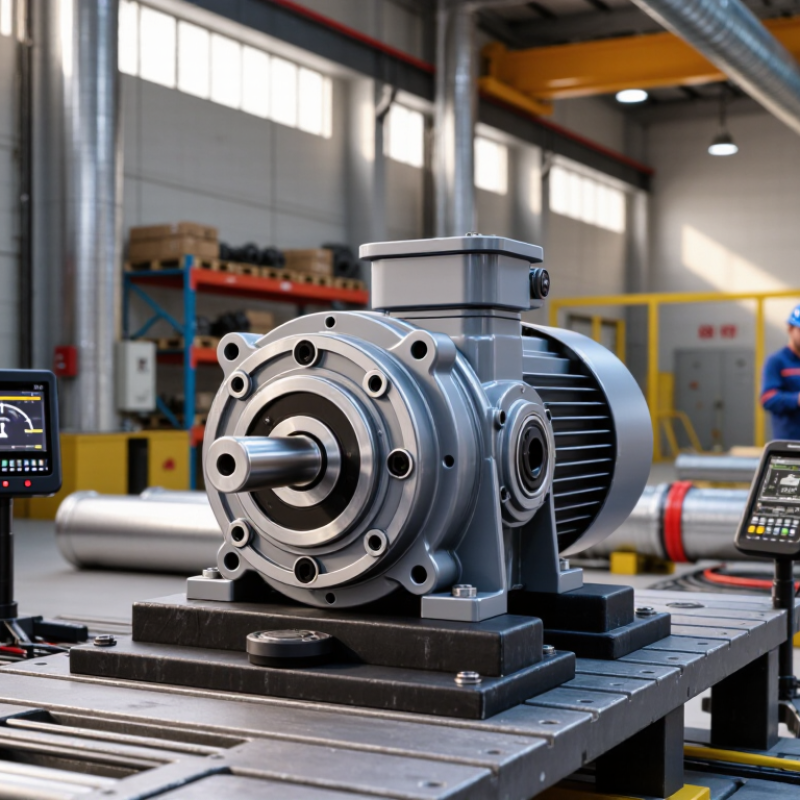
How to Choose the Right Gearbox Motor for Global Sourcing?

Define the Application Requirements and Operating Conditions

Choosing the right gearbox motor starts with defining the application clearly. Before requesting quotations, record the required output speed, torque, duty cycle, and motor power. Note how often the motor starts, stops, reverses, or operates under peak load.

Small details matter. Measure the load at the shaft, not only the machine’s rated capacity. Identify the mounting position, available space, shaft direction, voltage, and control method. A conveyor moving heavy boxes needs different protection from a small indoor positioning device. Shock loads, frequent starts, and sudden jams also require a suitable service factor. Do not guess.

Operating conditions can change the selection significantly. Record ambient temperature, humidity, dust, vibration, altitude, and possible chemical exposure. Outdoor equipment may need corrosion-resistant housing and higher enclosure protection. Washdown areas require careful attention to seals, drainage, and cable entries. Continuous operation creates different thermal demands than short, repeated cycles.

In practical sourcing work, I have seen buyers select motors from average load figures alone. That approach can fail when the machine accelerates or encounters uneven resistance. The first estimate is rarely perfect. Review real operating data after installation, if available, and compare it with the original assumptions. Ask suppliers for efficiency curves, thermal limits, dimensional drawings, tolerance information, and test records. Request sample validation under realistic load conditions. A motor that fits on paper may still overheat, vibrate, or produce unacceptable backlash in service.

Select the Gearbox Type, Motor Power, and Transmission Ratio

How to Choose the Right Gearbox Motor for Global Sourcing?

Selecting a gearbox motor starts with the driven machine, not the catalog. Record the required speed, output torque, duty cycle, mounting position, and available space. A conveyor may need steady torque, while a mixer may demand higher starting power. These details prevent expensive oversizing. Measure twice.

Choose the gearbox type according to load, efficiency, noise, and maintenance expectations. Helical gearboxes suit continuous industrial operation and offer good efficiency. Worm gearboxes are compact and often cost less, but they can lose more energy through heat. Planetary gearboxes deliver high torque in a small package, though their precision usually increases cost. For global sourcing, request drawings, material specifications, noise limits, and documented inspection procedures.

Motor power must match real operating conditions. Calculate output torque from load and speed, then add a suitable service factor for starts, shocks, and daily running hours. Do not select power from peak load alone. The transmission ratio follows the target motor speed and required output speed: ratio equals motor speed divided by gearbox output speed. For example, a 1,440 rpm motor delivering 60 rpm needs a ratio near 24:1. Actual results vary with slip and load. I have seen early selections fail because friction and startup torque were treated as minor details. They were not. Ask for efficiency curves, thermal ratings, test records, and compatible voltage data before comparing quotations.

Compare Efficiency, Torque, Speed, and Load Capacity

Choosing the right gearbox motor demands more than matching voltage and mounting dimensions. Efficiency affects heat, operating cost, and enclosure size. A motor rated at 90% may perform differently under partial load. Ask suppliers for efficiency curves, not one attractive number. During factory evaluations, I measure input power and output torque at actual duty points. Small details matter.

Torque must cover starting resistance, operating load, and acceleration. Calculate required torque from load, acceleration, and gearbox ratio. Then add a sensible service margin. Too little margin causes stalls, while too much can increase cost and motor size. Speed is equally important. Check rated speed, variable-speed range, and permissible output speed. A conveyor may need steady low speed, while indexing equipment needs controlled acceleration. Do not trust nominal rpm alone.

Load capacity includes radial, axial, and shock loads. Confirm bearing ratings and shaft limits with technical drawings. For global sourcing, request material details, inspection records, and repeatable test data. Compare identical operating conditions across suppliers. I have seen a higher-torque unit fail early because side loading was ignored. That mistake changed my checklist. Datasheets can be incomplete, and supplier claims need verification through samples or independent testing. Leave room for questions.

Verify Quality Standards, Certifications, and Supplier Reliability

Choosing a gearbox motor for global sourcing requires more than comparing torque, speed, and price. Quality evidence must match the exact factory and product range. The ISO Survey 2022 recorded 1,265,216 ISO 9001 certificates worldwide, but certification alone does not guarantee consistent production. Check the certificate scope, expiry date, issuing body, and manufacturing location. A certificate is evidence, not proof.

For motor performance, request test records aligned with IEC 60034 standards. Review efficiency class, insulation temperature, ingress protection, noise, vibration, and duty rating. The U.S. Department of Energy’s Motor Systems Market Assessment reports that motor-driven equipment uses about 23% of U.S. electricity. Small efficiency losses can become expensive across thousands of operating hours. Ask for witnessed factory acceptance tests, winding resistance results, thermal-rise data, and gearbox backlash measurements. Short answers are warning signs.

Supplier reliability is harder to measure. Request three years of defect rates, corrective-action records, production capacity, and spare-parts lead times. Confirm whether serial numbers support component traceability. An independent inspection before shipment can reveal poor sealing, incorrect bearings, or painted-over damage. I have found that paperwork often looks stronger than production discipline. That judgment can be wrong, so verify with samples, audits, and reference checks. Do not accept copied test reports. Call the laboratory and confirm the report number, tested model, and date.

Evaluate Total Cost, Logistics, Support, and Long-Term Performance

How to Choose the Right Gearbox Motor for Global Sourcing?

Evaluate Total Cost, Logistics, Support, and Long-Term Performance

A gearbox motor should be judged by lifetime cost, not its invoice price. Include energy use, spare parts, installation time, downtime, and disposal. The World Bank’s 2023 Logistics Performance Index used 4,090 assessments across 139 countries. It highlights shipment reliability as a major supply-chain performance factor. A low-cost motor that arrives late can damage production schedules. Ask for verified lead times, export packaging details, and realistic customs documents. Do not assume the cheapest freight option is the safest.

Long-term performance needs measurable evidence. Request efficiency curves, noise data, thermal limits, protection ratings, and endurance-test records. Confirm the motor matches your voltage, duty cycle, load pattern, and ambient temperature. The U.S. Department of Energy reports that motor-driven systems represent a significant share of industrial electricity demand. Small efficiency losses can become large operating expenses. Local technical support also matters. A stocked bearing or seal may prevent several days of downtime. My own purchasing reviews have shown that specifications can look complete while service response remains vague. That is a warning.

Tips: Compare at least three suppliers using the same data sheet. Calculate five-year cost per operating hour. Check replacement-part availability near the installation site. Ask who provides remote troubleshooting. Record every assumption. Some will be wrong. Recheck them before signing.

FAQS

What information should I collect before choosing a gearbox motor?

Record output speed, torque, duty cycle, mounting position, load pattern, and available space. Measure twice. A conveyor needs steady torque, while a mixer may require stronger starting power. These details reduce oversizing and unexpected costs.

Which gearbox type suits different applications?

Helical gearboxes support continuous operation and usually offer good efficiency. Worm gearboxes are compact and often less expensive. They may produce more heat. Planetary gearboxes provide high torque in small spaces, but precision usually increases cost. Compare noise, maintenance, efficiency, and space requirements.

How do I calculate the transmission ratio?

Divide motor speed by required gearbox output speed. For example, 1,440 rpm divided by 60 rpm gives approximately 24:1. Actual performance may change because of slip, load, and friction. Confirm the final ratio with the supplier.

How much motor power is appropriate?

Calculate torque from the real load and output speed. Add a suitable service factor for starts, shocks, and operating hours. Do not select power using peak load alone. Starting torque matters. My earlier assumptions about friction were too optimistic.

What technical documents should I request?

Request drawings, material details, efficiency curves, thermal ratings, noise limits, and compatible voltage information. Also ask for test records, winding resistance results, thermal-rise data, and backlash measurements. Short answers deserve closer review.

How can I check a supplier’s quality claims?

Verify the certificate scope, expiration date, issuing organization, and actual manufacturing location. Request samples, production audits, inspection procedures, and reference checks. Confirm test report numbers directly with the testing laboratory. Paperwork is not proof. Copied reports should never be accepted without verification.

What supplier reliability information is useful?

Ask for three years of defect rates, corrective-action records, production capacity, and spare-parts lead times. Check whether serial numbers support component traceability. An independent inspection may reveal poor sealing, incorrect bearings, or painted-over damage.

How should I compare the total cost?

Include purchase price, energy use, spare parts, installation time, downtime, freight, and disposal. Calculate the five-year cost per operating hour. A cheaper motor arriving late may disrupt production more severely than expected. Low price can mislead.

What logistics and support details should I confirm?

Request realistic lead times, export packaging details, and accurate customs documents. Check replacement-part availability near the installation site. Ask who provides remote troubleshooting and how quickly technical support responds. A stocked bearing or seal may prevent several days of downtime.

How can I avoid mistakes during supplier comparison?

Compare at least three suppliers using the same data sheet and assumptions. Confirm voltage, ambient temperature, duty cycle, load pattern, and protection rating. Record every assumption. Some will be wrong. Recheck them before signing.

Conclusion

Choosing the right Gearbox Motor for global sourcing begins with a clear understanding of the application and operating environment. Define the required load, duty cycle, speed, torque, installation space, temperature, humidity, and any special conditions before comparing solutions. Then select a suitable gearbox type, motor power, and transmission ratio that can deliver stable performance without unnecessary oversizing. Carefully evaluate efficiency, output torque, operating speed, noise, durability, and load capacity to ensure the system meets both current and future demands.

A reliable sourcing decision should also include verification of quality standards, safety certifications, production consistency, and supplier reliability. Beyond the purchase price, consider total cost, shipping arrangements, lead times, spare parts, technical support, maintenance needs, and expected service life. A complete assessment of performance and long-term operating value can help buyers reduce risks, control expenses, and secure a Gearbox Motor that performs reliably across international applications.

Isabella

Isabella

Isabella is a dedicated marketing professional with a sharp focus on driving brand growth and engagement through strategic content creation. With an extensive background in digital marketing, she combines her passion for storytelling with her keen understanding of industry trends to deliver......