Jershtech DC Motors Jershtech DC Motors

What are the Different Gear Motor Types for Your Needs?

Time:2026-06-11 Author:Sienna
0%

Understanding the diverse Gear Motor Types is essential for modern engineering. These components play a critical role in automation, robotics, and various industrial applications. According to a report by MarketsandMarkets, the global gear motor market is projected to reach $10.5 billion by 2027, growing at a CAGR of 6.9%. This growth highlights the increasing demand for efficient and reliable gear motors.

The choice of gear motor type significantly impacts system performance. Various types include AC gear motors, DC gear motors, and servo gear motors, each with unique features. AC gear motors are favored for their durability and efficiency, while DC gear motors provide precise control. Servo gear motors excel in applications requiring high torque and speed control. Yet, selecting the wrong type could lead to suboptimal performance, increased energy consumption, and potential equipment failure.

Incorporating the right gear motor type can enhance productivity and reliability. However, users often overlook the specific requirements of their applications. Understanding these nuances is vital. A well-informed decision regarding gear motor types can lead to significant efficiencies. As industries continue to evolve, so will the demands placed on these critical components.
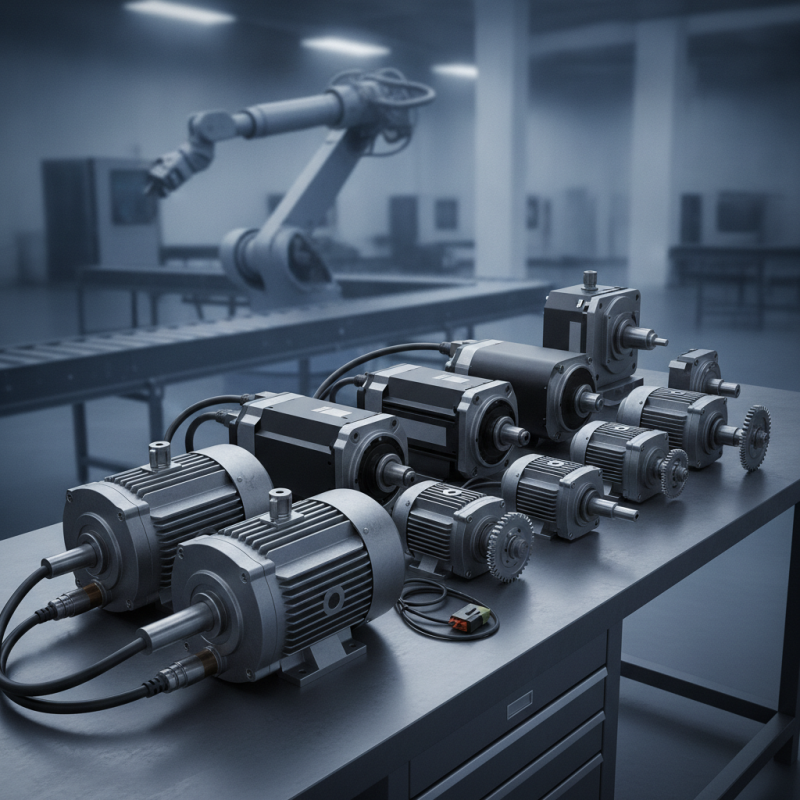
What are the Different Gear Motor Types for Your Needs?

Types of Gear Motors and Their Characteristics

When choosing a gear motor, understanding the different types available is essential. There are several common types, each with distinct characteristics that suit various applications. For example, a spur gear motor is simple and efficient. It's ideal for basic tasks that require moderate torque.

Planetary gear motors offer a compact design and high torque. These are great for applications needing precision.
They are often used in robotics and automation.


Worm gear motors provide a higher reduction ratio, making them perfect for slow-speed operations. Their design also helps prevent back-driving, adding an extra layer of reliability.

Flat gear motors are another option. They save space while providing decent torque. However, they may not handle heavy loads as effectively.

Understanding these types can help in making an informed choice. It’s crucial to assess your specific needs and consider the pros and cons of each type. The right gear motor can significantly impact performance and efficiency in your project.

Applications of Variable Speed Gear Motors

Variable speed gear motors are vital in numerous applications. They provide flexible control over speed and torque. This versatility is especially important in industries such as manufacturing and robotics. In conveyor systems, for example, varying speeds can enhance efficiency. Machines can adapt to different product sizes or flow rates.

In the realm of automotive applications, variable speed gear motors find their place in electric vehicle systems. They control the speed of wheels, optimizing performance and efficiency. The adaptability of these motors helps in energy conservation. Control systems adjust motor output based on the driver’s needs.

However, challenges remain. Engineers must consider gear ratios and load demands. A poorly matched motor can lead to inefficiencies. Over time, gear wear can affect performance. Regular maintenance is essential to address these issues. Understanding the specific application is crucial for selecting the right gear motor. Choosing appropriately ensures both reliability and longevity in performance.

Comparison of Brushed and Brushless Gear Motors

When choosing between brushed and brushless gear motors, several factors come into play. Brushed motors use carbon brushes to provide a connection to the motor windings. This can introduce friction and wear over time. However, they often have a simpler design, making them easier to control in applications requiring low cost and minimal complexity.

On the other hand, brushless motors eliminate the need for brushes. They use electronic commutation, which enhances efficiency and reduces maintenance needs. The lack of brushes can result in a longer lifespan and smoother operation. However, the initial cost and complexity of the electronic control may be a drawback for some users.

The decision should depend on your specific application. Brushed motors might be suitable for hobby projects or low-demand tasks. Conversely, for precise control and high-performance needs, brushless motors typically excel. Reflect on your project requirements, and balance cost against performance and expected longevity. Understanding these differences is key to making an informed choice.

Factors to Consider When Selecting a Gear Motor

When selecting a gear motor, it’s essential to evaluate several factors to ensure it meets your specific needs. One crucial aspect is the motor type. Options include AC motors, DC motors, and stepper motors. Each type has different speed and torque characteristics. Understand the application before deciding.


Another key consideration is the gear ratio. This ratio affects the output speed and torque. A higher gear ratio can provide more torque but less speed. Consider the workload and operational speed for optimal performance.


Size and weight also matter. A bulky motor may not fit well in compact spaces.


Bear in mind that not all applications require high performance. Sometimes, lower costs and simpler designs are adequate. Reflect on your requirements and possible future changes. This thoughtfulness can prevent costly mistakes in the long run.

Maintenance Tips for Optimal Gear Motor Performance

Proper maintenance of gear motors is essential for their longevity and optimal performance. Regularly inspect the motor for signs of wear, such as unusual noises or vibrations. These issues can indicate problems with gears, bearings, or other components. A close examination can often reveal which parts need attention before they fail completely.

Lubrication is another critical aspect of maintenance. Use the recommended type of lubricant and ensure it is applied to moving parts regularly. Over-lubrication can be as detrimental as under-lubrication. Clean the motor before applying new grease to avoid trapping dirt. Additionally, monitor the operating temperature. If the motor runs hotter than usual, it may indicate a problem that requires immediate action.

Keep in mind that preventative maintenance goes a long way. Establish a regular schedule for inspections and servicing. Document any changes in performance or wear patterns. Learning from past experiences can help improve future maintenance decisions. Be proactive rather than reactive; it can save time and money in the long run.

Gear Motor Types and Their Applications

FAQS

: What is the difference between brushed and brushless gear motors?

: Brushed motors use carbon brushes, causing wear. Brushless motors use electronic commutation, enhancing efficiency and reducing maintenance.

When should I choose brushed motors?

Brushed motors are suitable for hobby projects and low-demand tasks with simpler designs and lower costs.

What are the advantages of brushless motors?

Brushless motors offer a longer lifespan, smoother operation, and lower maintenance needs, though they can be more complex and costly.

What factors should I consider when selecting a gear motor?

Consider the motor type, gear ratio, size, and weight based on your specific application and performance needs.

How does gear ratio affect motor performance?

A higher gear ratio increases torque but decreases speed. Evaluate your workload and operational speed for best performance.

Why is maintenance important for gear motors?

Regular maintenance ensures longevity and optimal performance. It helps identify issues early, preventing costly failures.

What maintenance tips can help keep gear motors functioning well?

Inspect for unusual noises, lubricate moving parts, and monitor operating temperature regularly. Clean before applying new grease.

How can I prevent issues with gear motors?

Establish a regular inspection schedule and document any performance changes. Learning helps improve future maintenance decisions.

What should I do if my motor runs hotter than usual?

If overheating occurs, check for potential issues that require immediate attention. Don't ignore signs of trouble.

Can lower costs affect performance needs?

Sometimes, lower costs and simpler designs meet your needs. Reflect on requirements carefully to avoid future mistakes.

Conclusion

In the exploration of different gear motor types, it is essential to understand their characteristics and applications. Gear motors come in various designs, including variable speed options that cater to specific operational needs in diverse industries. The article highlights comparisons between brushed and brushless gear motors, emphasizing the advantages and limitations of each type.

When selecting a gear motor, several factors should be considered, such as torque, speed, and efficiency, to ensure optimal performance. Additionally, regular maintenance tips are provided to enhance the longevity and reliability of gear motors. By understanding these aspects, users can make informed decisions tailored to their unique requirements and maximize the effectiveness of their gear motor types.

Sienna

Sienna

Sienna is a skilled marketing professional with a deep expertise in our company’s core products and services. With a passion for innovation and detail, she plays a pivotal role in crafting insightful blog posts that not only highlight the unique features of our offerings but also provide valuable......