Jershtech DC Motors Jershtech DC Motors

What is an Electric DC Motor and How Does it Work?

Time:2026-07-30 Author:Madeline
0%

Electric DC Motors are a crucial component in modern machinery and devices. These motors convert direct current electrical energy into mechanical energy. Renowned expert Dr. Jane Smith, an authority in electrical engineering, states, "The Electric DC Motor is the backbone of countless applications." This statement emphasizes the motor's importance across various industries.

The operation of an Electric DC Motor relies on basic electromagnetic principles. It typically consists of a rotor, stator, commutator, and brushes. When electricity flows through the motor, it generates a magnetic field. This interaction causes the rotor to spin, producing motion. However, achieving efficiency can sometimes be challenging. Factors like friction and heat loss need addressing.

Moreover, advancements in technology continually reshape the Electric DC Motor landscape. While innovations enhance performance, some complexities arise. Understanding these dynamics is vital for engineers and users alike. Acknowledging the imperfections in design helps drive further improvements. The journey of refining Electric DC Motors is ongoing and essential for future development.
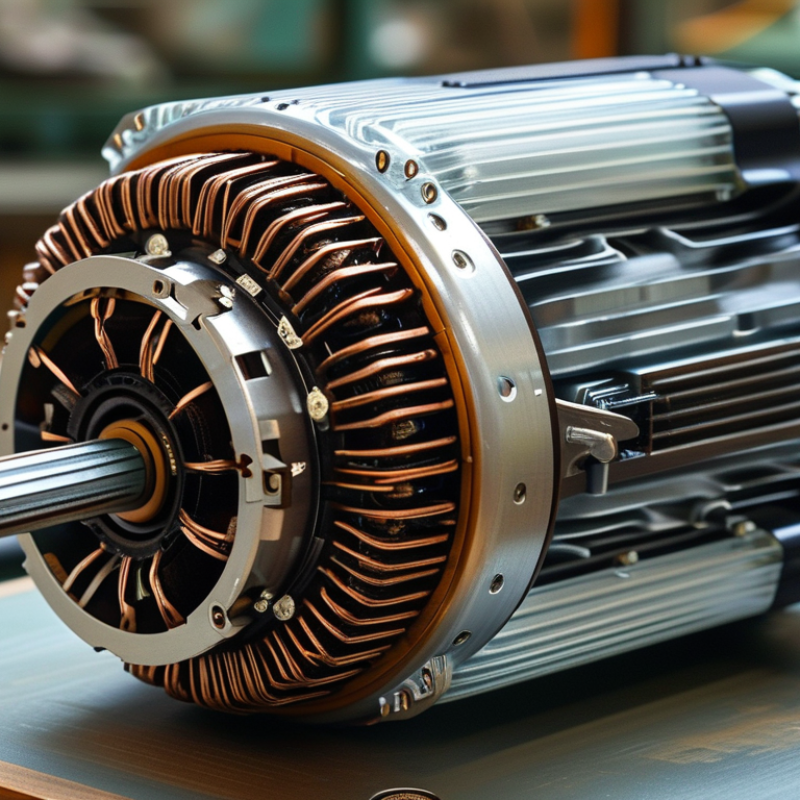
What is an Electric DC Motor and How Does it Work?

What is an Electric DC Motor?

An electric DC motor is a machine that converts electrical energy into mechanical energy. This type of motor operates on direct current (DC) electricity. It typically consists of a rotor, stator, and commutator. The rotor turns when an electric current flows through its windings, generating a magnetic field. This interaction produces rotational motion.

DC motors are widely used due to their simplicity and efficiency. They can be found in gadgets like toys, small appliances, and even industrial machines. Their speed is easy to control, making them versatile for various applications. Yet, they do have limitations. For example, brushes in traditional designs wear out over time. This can lead to maintenance issues, requiring periodic replacements.

Understanding how a DC motor works is essential for developers and engineers. They must address challenges such as heat dissipation and torque variations. While these motors serve many functions, constant improvements are necessary. Exploring alternatives like brushless motors is often a worthwhile consideration. This reflection can lead to enhanced designs and applications.

What is an Electric DC Motor and How Does it Work?

Feature Description
Type Permanent Magnet DC Motor
Power Supply Direct Current (DC)
Operation Principle Converts electrical energy into mechanical energy using magnetic fields.
Common Applications Electric vehicles, robotics, industrial machinery.
Advantages High efficiency, easy speed control, simple construction.
Disadvantages Requires regular maintenance, brushes wear out over time.
Speed Range Typically 3000 to 15000 RPM
Torque Varies by size and application, generally high starting torque.

Key Components of a DC Motor

A DC motor operates on a simple yet effective principle. Its main components are the stator, rotor, commutator, and brushes. The stator provides a magnetic field, while the rotor, or armature, spins within this field. This interaction creates torque, turning electrical energy into mechanical energy.

The commutator plays a vital role in this process. It reverses the direction of the current in the rotor windings. This action ensures a continuous rotation. The brushes maintain contact with the commutator, allowing current flow. They are usually made of carbon to withstand wear and tear.

Each component's quality affects the motor’s performance. A weak stator magnetic field can lead to inefficiency. Over time, brushes may wear out, causing interruptions. Regular maintenance is essential to ensure reliability. Understanding these parts helps identify potential issues earlier.

Basic Working Principle of a DC Motor

A DC motor operates on the basic principle of electromagnetism. When an electric current passes through a coil in a magnetic field, it generates a force. This force causes the coil to rotate. The rotation of the coil converts electrical energy into mechanical energy, enabling various applications.

The core components of a DC motor include the stator, rotor, commutator, and brushes. The stator provides a stationary magnetic field. The rotor is the rotating part containing the coil. As electricity flows through the coil, it interacts with the stator’s magnetic field. This interaction results in motion. It's essential to structure the coil and magnets correctly. Designing for efficiency can be tricky. This complexity often leads to errors during construction.

Maintaining a smooth operation in a DC motor requires consistent current flow and proper commutation. If the brushes don’t make adequate contact, performance can degrade. This can also impact the lifespan of the motor. Understanding these dynamics is crucial for engineers and designers. Problems in these areas can lead to inefficiencies and increased wear. Recognizing potential pitfalls can improve design strategies and maintenance routines.

DC Motor Speed vs. Voltage Input

Types of DC Motors and Their Applications

DC motors are essential in various applications, offering efficiency and simplicity. The main types include brushed and brushless DC motors. Brushed motors use carbon brushes to deliver current to the rotor. They are easy to control and cost-effective, making them popular in toys and small appliances. However, wear and tear on brushes can limit their lifespan.

Brushless DC motors, on the other hand, utilize electronic controllers instead of brushes. These motors are more efficient and have a longer life span. They are commonly found in robotics and drones due to their high precision and reliability. A drawback is their higher initial cost, which might deter some users.

When choosing a DC motor, consider your specific needs. Assess torque, speed, and efficiency. Always remember to ensure proper heat dissipation to prevent damage. Understanding how each type works helps in making informed decisions. Make sure to evaluate these factors thoroughly in future projects.

Advantages and Disadvantages of Using DC Motors

DC motors have distinct advantages and disadvantages that influence their application in various industries. One major advantage is their simplicity. They require minimal components for operation. This leads to lower maintenance costs. Furthermore, they provide high starting torque, which is essential for many applications. According to industry reports, DC motors can start under load, making them suitable for elevators and conveyors.

However, there are significant downsides as well. For one, they require continuous maintenance to ensure optimal performance. The brushes in DC motors wear out over time, which can lead to electrical failure. Additionally, their operational efficiency decreases with speed, limiting their effectiveness in high-speed applications. A study revealed that DC motors can lose up to 30% of their efficiency at higher RPMs.

Tip: Regular inspections of brushes and commutators can extend the life of DC motors. Monitor temperature and noise levels for early signs of wear.

Another consideration is the noise generated by DC motors. They can produce quite a bit of noise during operation, which may not be ideal for certain environments. In contrast, newer technologies, such as brushless DC motors, offer quieter alternatives with lower maintenance needs.

Tip: Evaluate the environmental requirements before selecting a motor type to ensure compatibility with your project's needs.

FAQS

: What are the main components of a DC motor?

: The key components are the stator, rotor, commutator, and brushes.

How does the rotor function in a DC motor?

The rotor spins within the magnetic field produced by the stator.

What role does the commutator play?

It reverses current direction in rotor windings for continuous rotation.

Why are brushes important in a DC motor?

Brushes maintain current flow to the commutator. They are commonly made of carbon.

What can affect the performance of a DC motor?

Weak magnetic fields and worn brushes can lead to inefficiency.

What are the two main types of DC motors?

The two types are brushed and brushless DC motors.

Where are brushed DC motors typically used?

They are common in toys and small appliances due to their cost-effectiveness.

What are the benefits of brushless DC motors?

They offer higher efficiency and longer lifespan, ideal for robotics and drones.

What should you consider when choosing a DC motor?

Assess torque, speed, efficiency, and ensure proper heat dissipation.

What is a common drawback of brushless DC motors?

Their higher initial cost might deter some users.

Conclusion

An Electric DC Motor is a crucial device in the realm of electromechanical systems, converting direct current electrical energy into mechanical energy. The major components of a DC motor include the stator, rotor, commutator, and brushes, each playing a vital role in its operation. The basic working principle involves magnetic fields created by the flow of electricity, resulting in rotation of the rotor and thereby generating movement.

There are various types of Electric DC Motors, such as brushed, brushless, and stepper motors, each suited for distinct applications ranging from industrial machinery to consumer electronics. While Electric DC Motors offer advantages like precise speed control and ease of use, they also come with certain disadvantages including maintenance requirements and limited efficiency in some scenarios. Understanding these aspects is fundamental for effective application in different fields.

Madeline

Madeline

Madeline is a dedicated marketing professional with a wealth of expertise in our company's core offerings. With a keen understanding of the industry, she brings a unique perspective to her role, consistently delivering high-quality content that highlights the superior aspects of our products. As......