In the modern landscape of electrical engineering, High Efficiency DC Motors have become essential for various applications, from automotive to renewable energy. Industry expert Dr. Emily Rivers, a leading researcher in motor technology, emphasizes the importance of these motors. She states, "High efficiency is not just a benefit; it’s a necessity for sustainable development."
High Efficiency DC Motors offer superior performance with low operational costs. They reduce energy consumption significantly, making them a preferred choice for manufacturers and consumers alike. Yet, despite their advantages, not all high-efficiency motors are created equal. Ensuring optimal efficiency requires careful consideration of design and materials, which can be challenging for buyers.
As the global market evolves, choosing the right High Efficiency DC Motor becomes critical. Pointing out potential pitfalls in the selection process is vital. Some may prioritize cost over quality, leading to performance issues. It’s crucial to balance price with reliability and efficiency, ensuring the chosen motor meets industry standards while serving its intended purpose effectively.
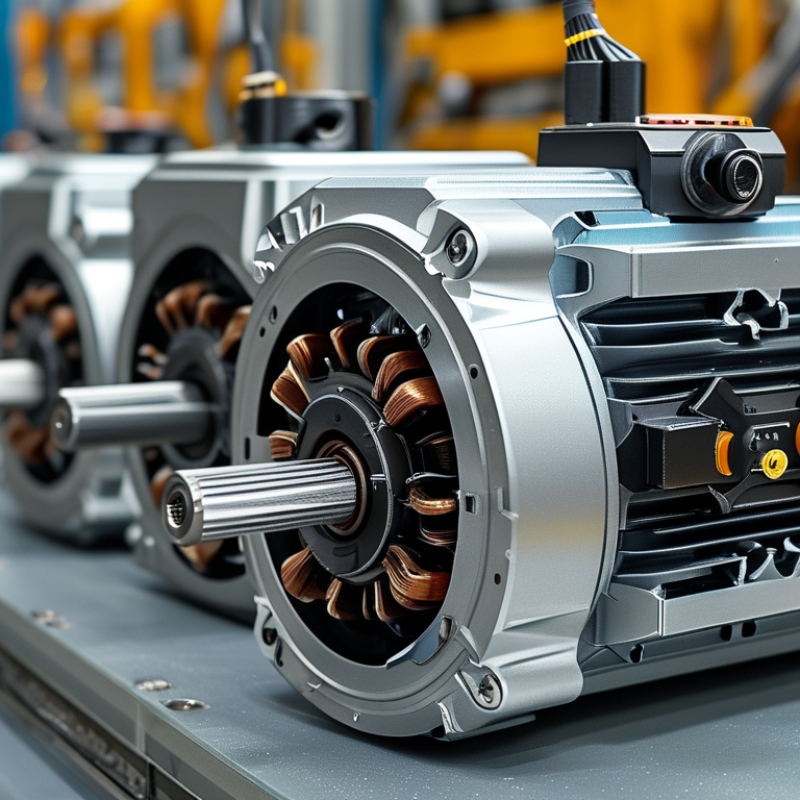
Top 10 High Efficiency DC Motors: An Overview of Key Features
High-efficiency DC motors are increasingly vital in various industries. They enhance performance while reducing energy consumption. A recent report by the International Energy Agency highlights that such motors can improve energy efficiency by up to 30%. This substantial reduction in energy use is crucial in today’s climate-conscious world.
Key features to consider include power output, torque, and operational lifespan. High-efficiency DC motors often utilize advanced magnetic materials. These materials allow for better magnetic flux, resulting in increased torque and performance. Moreover, the integration of smart technologies enhances monitoring capabilities, allowing users to optimize their operations.
However, buyers should not overlook the complexities involved in motor selection. Factors like duty cycle and environmental conditions can affect performance. The balance between efficiency and operational demands can be tricky. Understanding these aspects may require expert input. Real-world applications often reveal gaps between expected and actual performance. Careful analysis is essential to ensure the selected motor meets specific needs effectively.
Trends in DC Motor Efficiency: Industry Statistics and Innovations
The efficiency of DC motors has become a focal point in various industries. Recent statistics indicate a clear trend toward higher efficiency ratings. Innovations in design and materials are driving these changes. Engineers are now using lighter materials, which reduce energy loss. Improved magnet technology is also contributing to better performance.
The push for greater efficiency is not without challenges. Many manufacturers struggle with balancing cost and performance. Lowering production costs sometimes leads to compromises in quality. This is a critical consideration for buyers who prioritize reliability. In some cases, efficiency ratings can be misleading. It is essential to analyze the whole motor system for accurate performance assessment.
Cutting-edge innovations, like smart motor controls, are emerging. They optimize energy usage and improve overall efficiency. As the market evolves, the demand for high-efficiency DC motors continues to rise. Companies are now more aware of their environmental impact. This awareness is fostering a competitive landscape focused on sustainable solutions. Yet, the challenge remains to maintain affordability while enhancing performance.
Top 10 High Efficiency DC Motors for Global Buyers
| Motor Type |
Efficiency (%) |
Power Rating (kW) |
Voltage (V) |
Application |
| Brushless DC Motor |
95 |
10.0 |
90 |
Robotics |
| Permanent Magnet DC Motor |
90 |
5.0 |
48 |
Industrial Automation |
| Stepper Motor |
85 |
2.0 |
24 |
3D Printers |
| Coreless DC Motor |
88 |
0.5 |
12 |
Consumer Electronics |
| Blower Motor |
92 |
1.5 |
36 |
HVAC Systems |
| High Torque DC Motor |
87 |
3.0 |
60 |
Electric Vehicles |
| High Speed DC Motor |
89 |
4.0 |
24 |
Machinery |
| Switched Reluctance Motor |
85 |
7.5 |
400 |
Wind Turbines |
| High Efficiency Brush Motor |
91 |
6.0 |
48 |
Pumps |
| Compact DC Motor |
93 |
0.75 |
12 |
Small Appliances |
Comparative Analysis of Leading High Efficiency DC Motor Brands
The high efficiency DC motor market has witnessed significant growth, driven by demand across various industries. According to recent industry reports, energy efficiency is a critical factor for global buyers. Motors that exceed a 90% efficiency rating are becoming the standard. This shift is largely influenced by sustainability initiatives and energy-saving regulations.
A comparative analysis reveals differing performance metrics among leading brands. For instance, torque and speed variations are crucial. Some motors achieve peak efficiency at different load levels, which can complicate selection. Additionally, the durability of materials used in motor construction greatly influences long-term reliability. Precious data indicates that motors designed with graphite and advanced alloys show remarkable longevity. Yet, manufacturers sometimes overlook the need for routine maintenance, which can diminish performance over time.
Moreover, manufacturers often publish efficiency ratings based on ideal conditions. Real-world applications may yield different results. Customers should consider their specific use cases, as performance can vary significantly. Challenges like thermal management and operational noise levels further complicate the decision-making process. Understanding these nuances can empower global buyers to make informed choices in a competitive market.
Applications and Market Demand for High Efficiency DC Motors Worldwide
High efficiency DC motors are becoming essential in various industries. As global market demand increases, these motors are used in applications ranging from automotive to renewable energy systems. According to a recent market research report, the global DC motor market is projected to grow by 5.5% annually. This growth reflects a rising focus on energy-efficient technologies.
The automotive sector is a significant contributor. Electric vehicles (EVs) require advanced motors that enhance battery life and performance. A study highlighted that high efficiency DC motors improve EV efficiency by about 15%, making them attractive for manufacturers. Additionally, the demand for automation in industrial applications leads to more investments in these motors. They reduce energy consumption while increasing productivity.
However, challenges exist. Not all manufacturers adhere to stringent efficiency standards. This inconsistency can mislead buyers regarding a motor’s actual performance. Issues like overheating and noise are commonly reported, indicating that not all models are suitable for high-demand environments. As the market evolves, buyers should prioritize quality over price. Continuous improvement in design and technology is vital for meeting future demands.
Top 10 High Efficiency DC Motors - Global Market Demand
Future Outlook: The Evolving Landscape of DC Motor Technologies
The evolving landscape of DC motor technologies is exciting. As industries shift towards electrification and automation, the demand for high-efficiency DC motors is rising. According to a report by MarketsandMarkets, the global DC motor market is projected to grow at a CAGR of 6.7% from 2023 to 2028. This growth reflects the increasing need for energy-efficient solutions in various applications, such as automotive and renewable energy systems.
New advancements in materials science are pushing the boundaries of DC motor efficiency. Innovations in magnet technology and windings have led to designs that offer better performance with lower energy consumption. However, the challenge lies in balancing cost and efficiency. Manufacturers face pressure to deliver high-performance motors at competitive prices. This needs careful consideration and strategic investment.
Tips: When selecting a DC motor, always consider its efficiency ratings. A motor with a high torque-to-weight ratio often leads to better overall performance. Also, examine the thermal management system. Effective cooling techniques can significantly extend the life of a motor under high-load conditions. Amid these advancements, a critical evaluation of the trade-offs between performance and cost is essential for future sustainability.
Conclusion
The article "Top 10 High Efficiency DC Motors for Global Buyers" provides an in-depth look at the advancements in high efficiency DC motors, highlighting their key features and the latest trends shaping the industry. It discusses the significant improvements in motor efficiency, supported by industry statistics and innovations that are driving market demand.
A comparative analysis of leading high efficiency DC motor brands reveals the diverse applications these motors cater to across various sectors worldwide. Moreover, the article explores the future outlook of DC motor technologies, emphasizing the potential developments that could further enhance performance and sustainability in the field. High efficiency DC motors are positioned as crucial components in driving the next generation of energy-efficient solutions in numerous applications.
 Jershtech DC Motors
